Lately I’ve been mulling over how developers make money off the Microsoft Store. Microsoft once ran its own in-house ad network for the store, yet it shut down for reasons unknown—most likely poor financial performance.
The Microsoft Store stands in stark contrast to Google’s ecosystem. Google pairs its Play Store with AdMob, a dedicated mobile ad SDK. Developers simply integrate the SDK, plug in their unique AdMob and ad unit IDs, and AdMob automatically serves ads within designated spots in their apps. This setup incentivizes ongoing development and creates a fully self-contained monetization loop. Microsoft, however, lacks such a cohesive advertising framework.
Plenty of developers publish their work to the Microsoft Store, yet free apps see minimal traction, and paid downloads are far scarcer still. At present, the Store’s primary monetization option for developers boils down to upfront app sales: developers list their apps at a set price and only earn revenue when users complete purchases. Realistically, very few paid Microsoft Store apps rack up meaningful sales, leaving most creators with dismal earnings.
It begs the question: why would anyone keep building apps for the platform? Development takes massive time and effort, and programmers have families and living expenses to cover. Without viable income streams from their work, developer interest will inevitably dwindle over time. One can only wonder whether Microsoft recognizes this critical pain point.
Microsoft may well be aware of this issue and once attempted to build its own ad network to create a profitable closed-loop ecosystem alongside developers, yet the effort ultimately ended in failure. One possible cause is Google’s overwhelmingly dominant ad platform, which has evolved over nearly three decades; another is a lack of advertisers willing to spend on Microsoft’s ad inventory. Whatever the exact combination of factors, Microsoft opted to discontinue its proprietary ad program in the end.
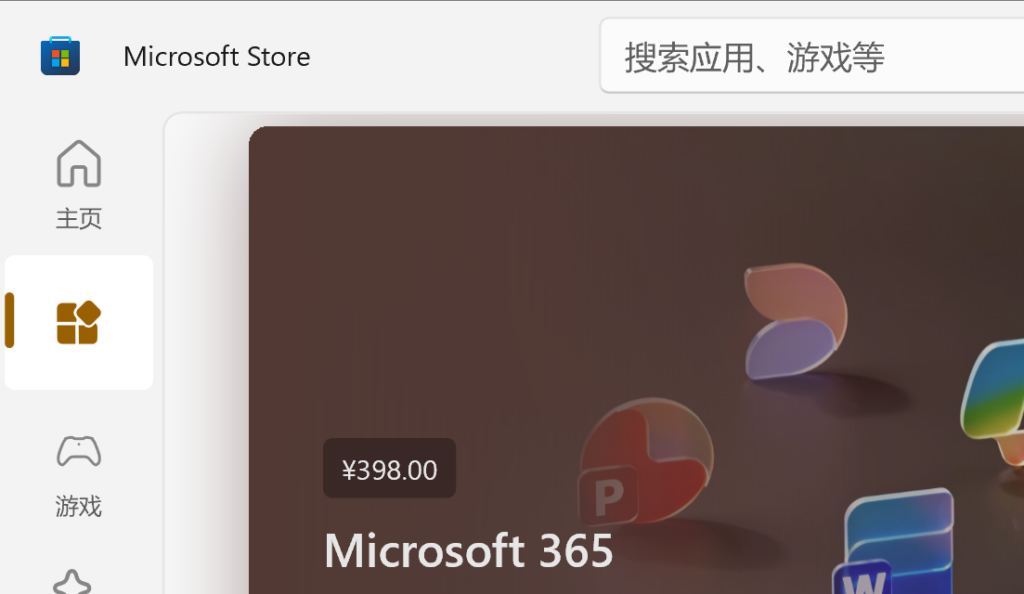
Nowadays, countless apps on the Microsoft Store have gone years without updates, leaving known bugs unfixed and attracting barely any users. Even software from major corporations rarely relies on the Microsoft Store for revenue; enterprises merely treat the store as an extra distribution channel. This explains the surplus of low-quality listings on the platform. In my view, developers are not inherently unwilling to maintain or upgrade their products — the core trouble remains the absence of viable ad-based monetization, while in-app purchases consistently fail to draw meaningful consumer spending. This vicious cycle will likely persist, and it is not inconceivable that Microsoft could shut down the Microsoft Store entirely someday, given most Windows users source software outside the official storefront.
It is therefore hoped that Microsoft will eventually prioritize this segment and rebuild a sustainable cycle linking its native ad network and developer earnings. No developer can sustain long-term development purely out of hobby with zero feasible profit avenues, and without meaningful monetization options, creators will continue to abandon the platform in droves.